



Funding
European Solidarity Funds
Generalitat of Catalonia
Terrassa City Council
2024 Photobook publication
Design Bakoom Studio
Publisher Amics de les Arts i JJ.MM. Barcelona, Spain
Awards
2025 Silver Award ADG Laus Aporta
Exhibitions
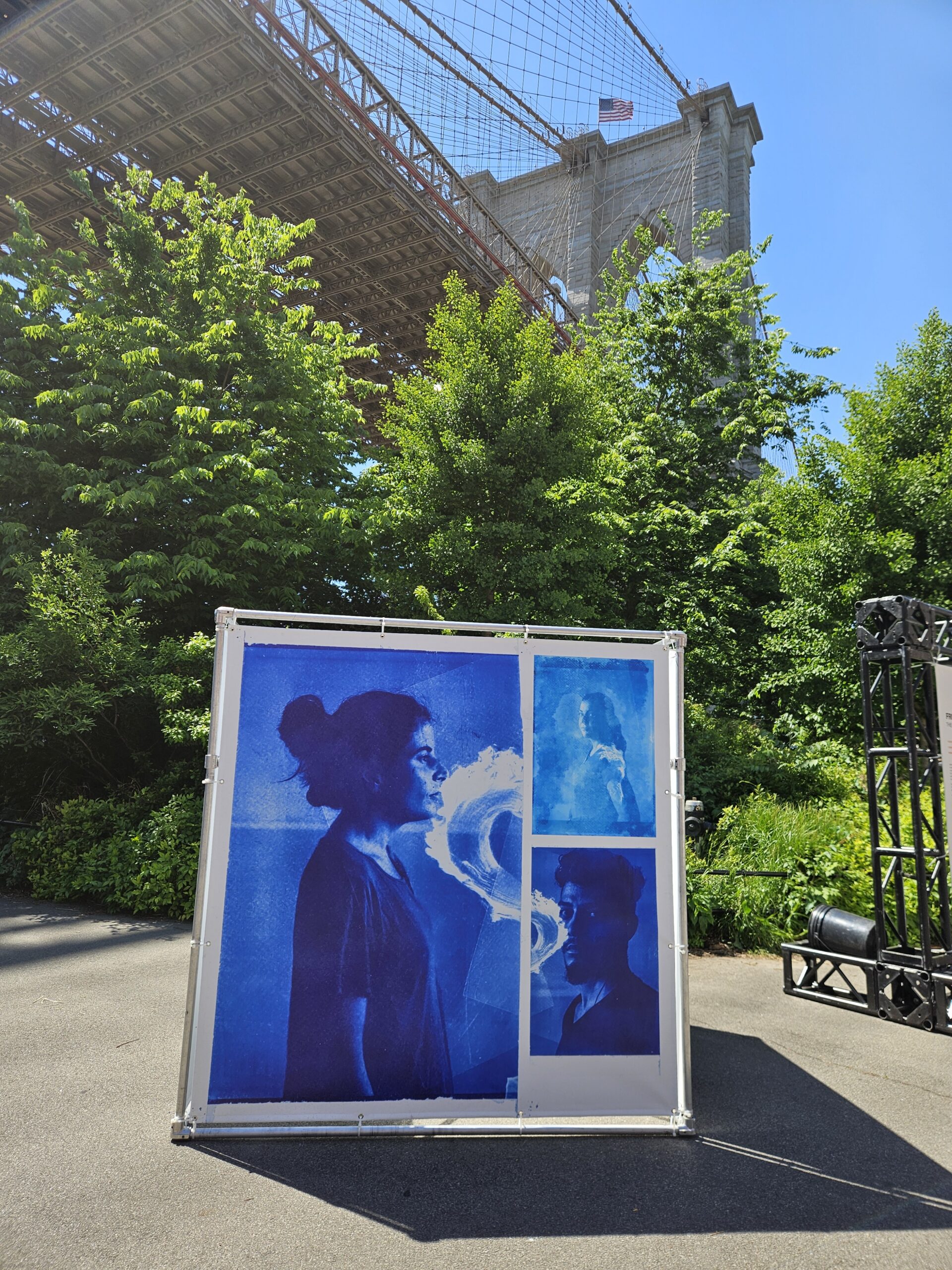
2026 Photoville, group show, New York, USA
2025 Can Carol, solo show, Spain
2024 La Model, solo show, Spain
2024 Baumann Bar, solo show, Spain
2023 OFF PANORAMIC, solo show, Spain
2023 ALBUM, solo show, Spain
Conferences
2025 Experimental Photo Festival
2025 Barcelona Pensa
Previous project research
“A la deriva! Artistic-pedagogical processes”
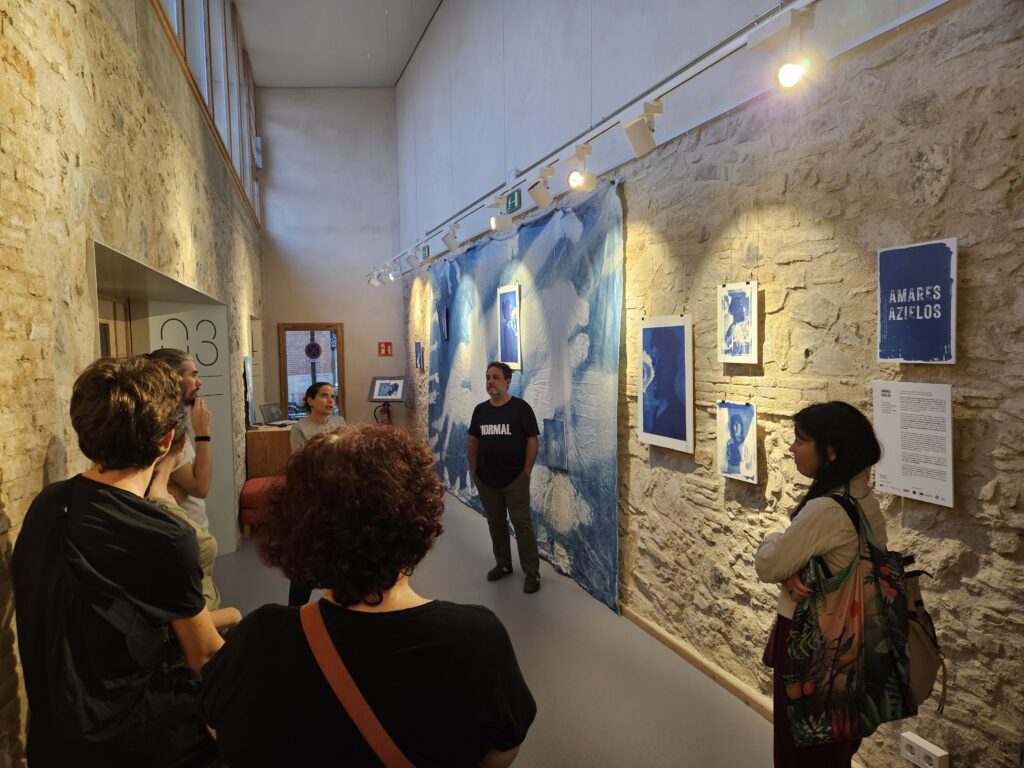
Amares Azielos explores representation in juvenile prisons with young migrants, where access to one’s own image and visual tools to preserve memory are denied.
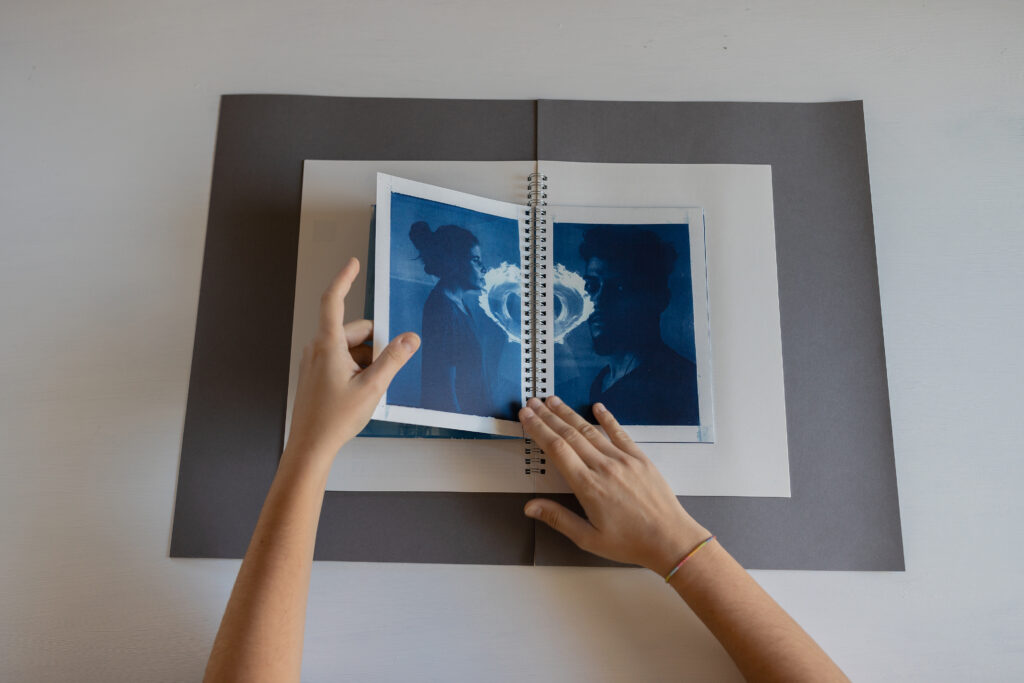
Amares Azielos is a collaborative photography project developed inside the Juvenile Penitentiary Center of La Roca del Vallès (Sept–Dec 2023), Spain. It responds to a stark absence: young inmates—many of them migrants without social ties in the peninsula therefore no visits—experience image deprivation alongside restricted freedom. They search for their own faces in the reflections of metal doors. They have no mirrors, cameras, or phones; daily life—friendships, milestones, emotions—remains undocumented, confined to memory. In an image‑saturated world, this invisibility becomes a second, less visible punishment.
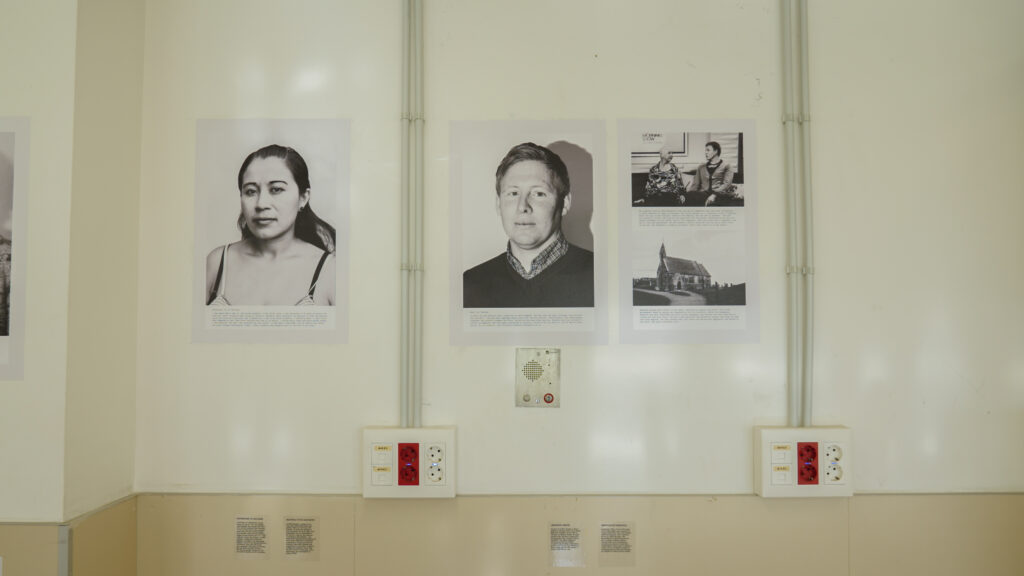
The project creates a shared space of making that deliberately suspends judgment. Rather than approaching participants through the lens of crime or institutional identity like in Bertillon’s images, Amares Azielos foregrounds presence, vulnerability, and attention. It exposes the tension between socially imposed categories of “good” and “bad” and the lived reality of human connection. Within this space, roles between inmates and volunteers are unsettled, acknowledging that learning and transformation move in multiple directions.
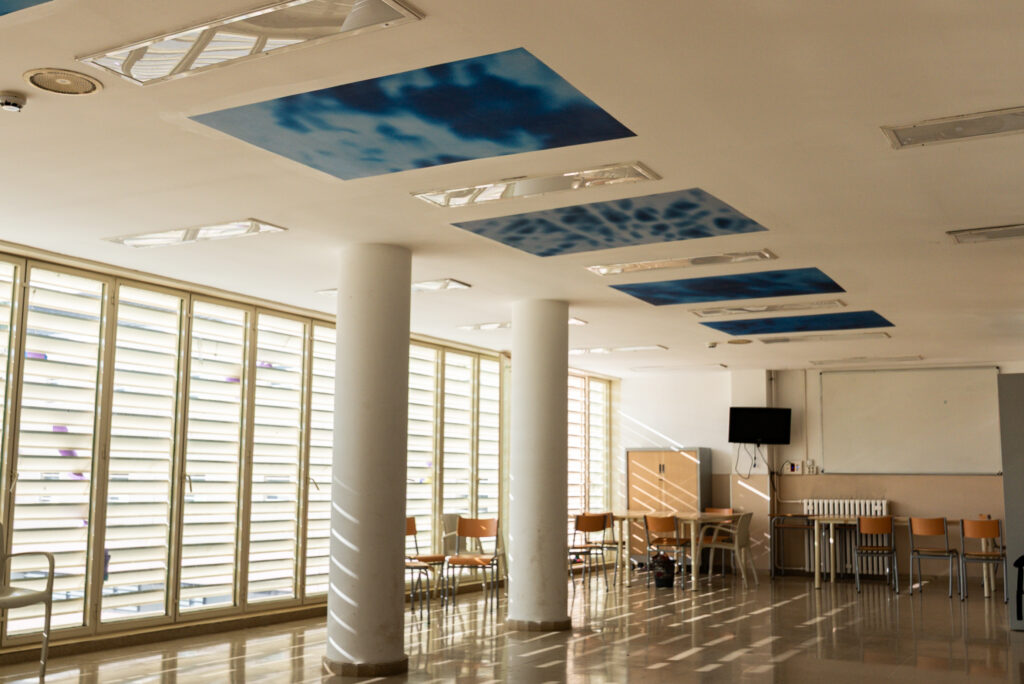
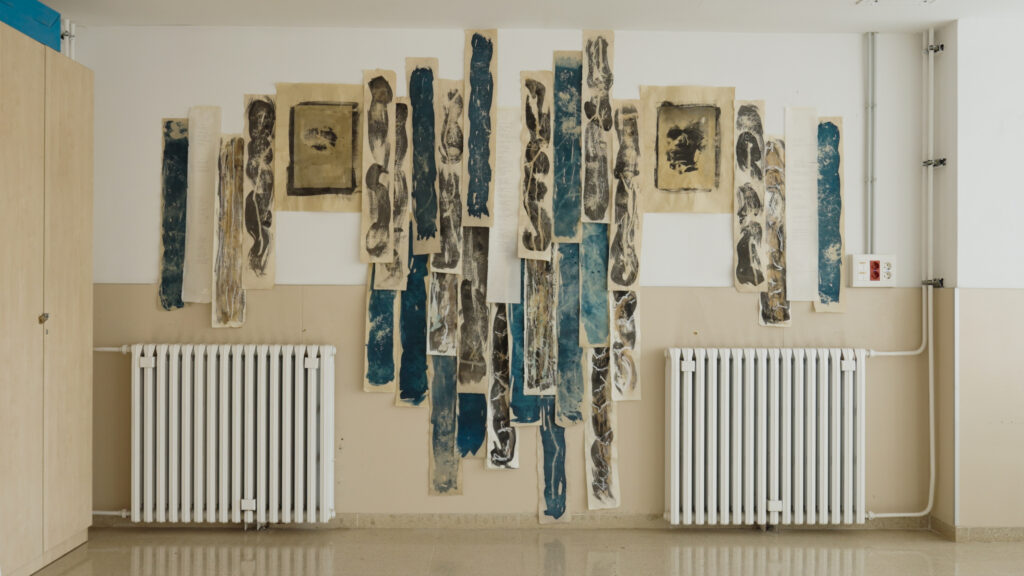
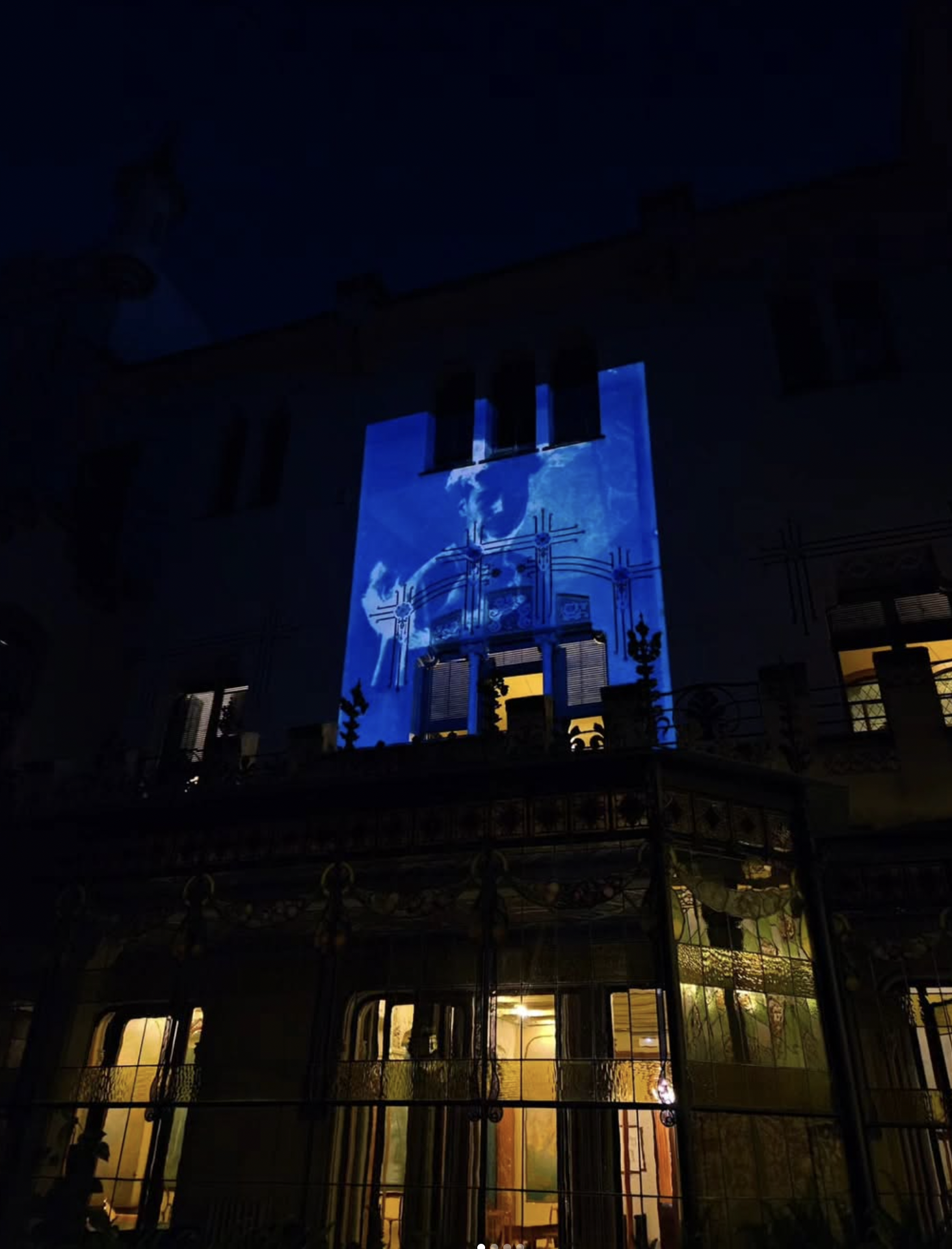
The deep blue of cyanotype—the color of the sky—becomes the project’s central visual language, grounding desires, prayers, and thoughts onto paper within the prison’s grey walls. This nineteenth‑century contact‑print process, used by Anna Atkins in British Algae, asserts women’s foundational yet long‑marginalized role in shaping science and vision, challenging the canon of photographic history. Amares Azielos extends this gesture to the right of re‑narrating lives shaped by social stigma. In cyanotype, latent images appear through sunlight, echoing a passage from incarceration back into visibility. Authorship is shared; inmates and volunteers remain visually indistinguishable, opening space for futures imagined through care and creative agency.
Developed alongside the workshops, the project generated an exhibition space inside the prison, fostering dialogue with invited artists (Laia Abril, Irene Zottola, Clara Gassull, Marta Cardellach, and Cecília Coca) and rethinking the role of the artist through mediation and engagement with excluded publics. This expanded the project’s impact to the broader penitentiary community. As part of the process, collectively designed exhibitions, an artist-led publication serving as a tangible trace for participants, and a video documentary were produced.
Amares Azielos foregrounds process and friction, treating mediation as a space where images hold complexity rather than resolve it.