
Ongoing project
2026 Fulbright Scholar in Visual Arts, researching at ICP, New York, and the Getty Research Institute, Los Angeles.
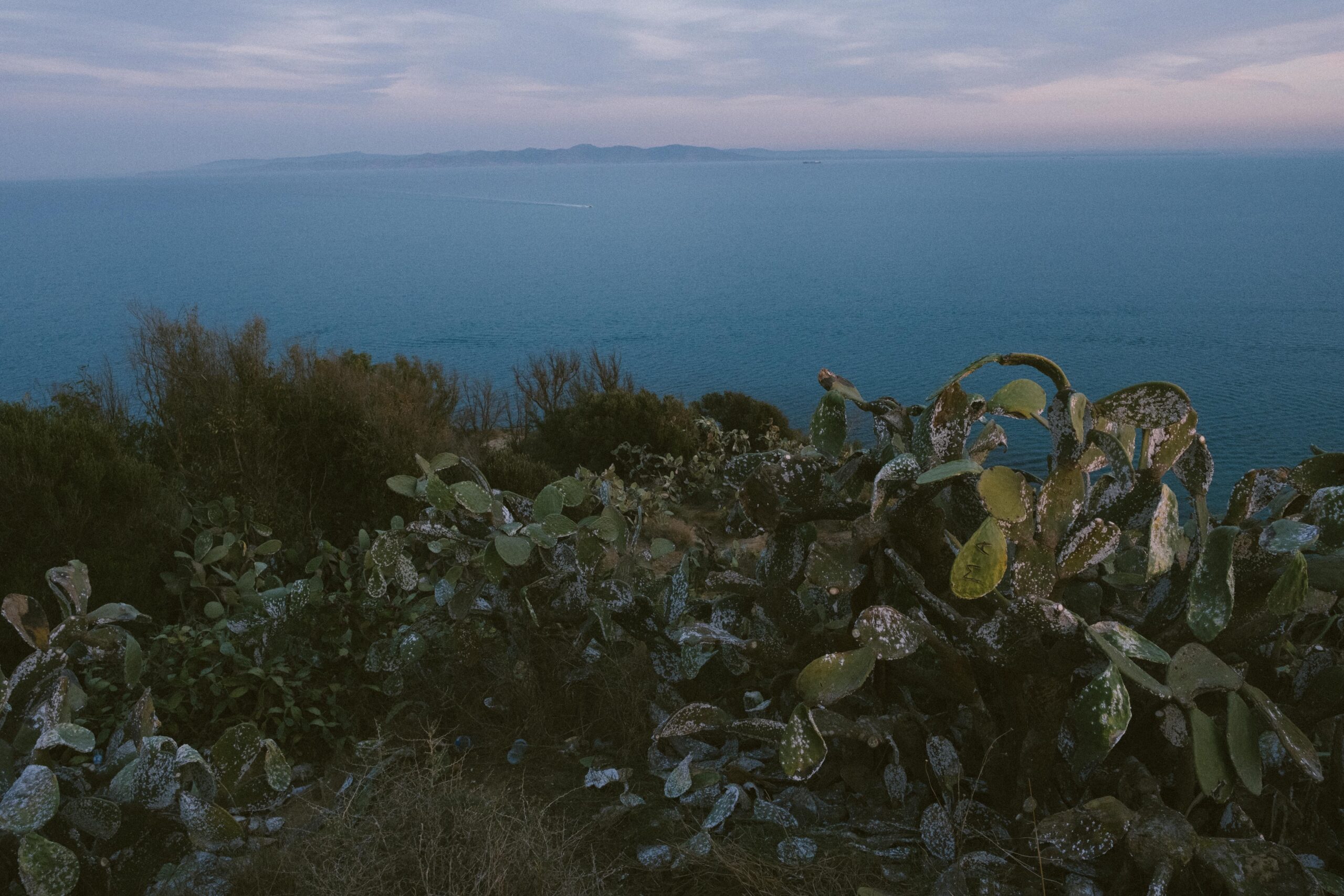
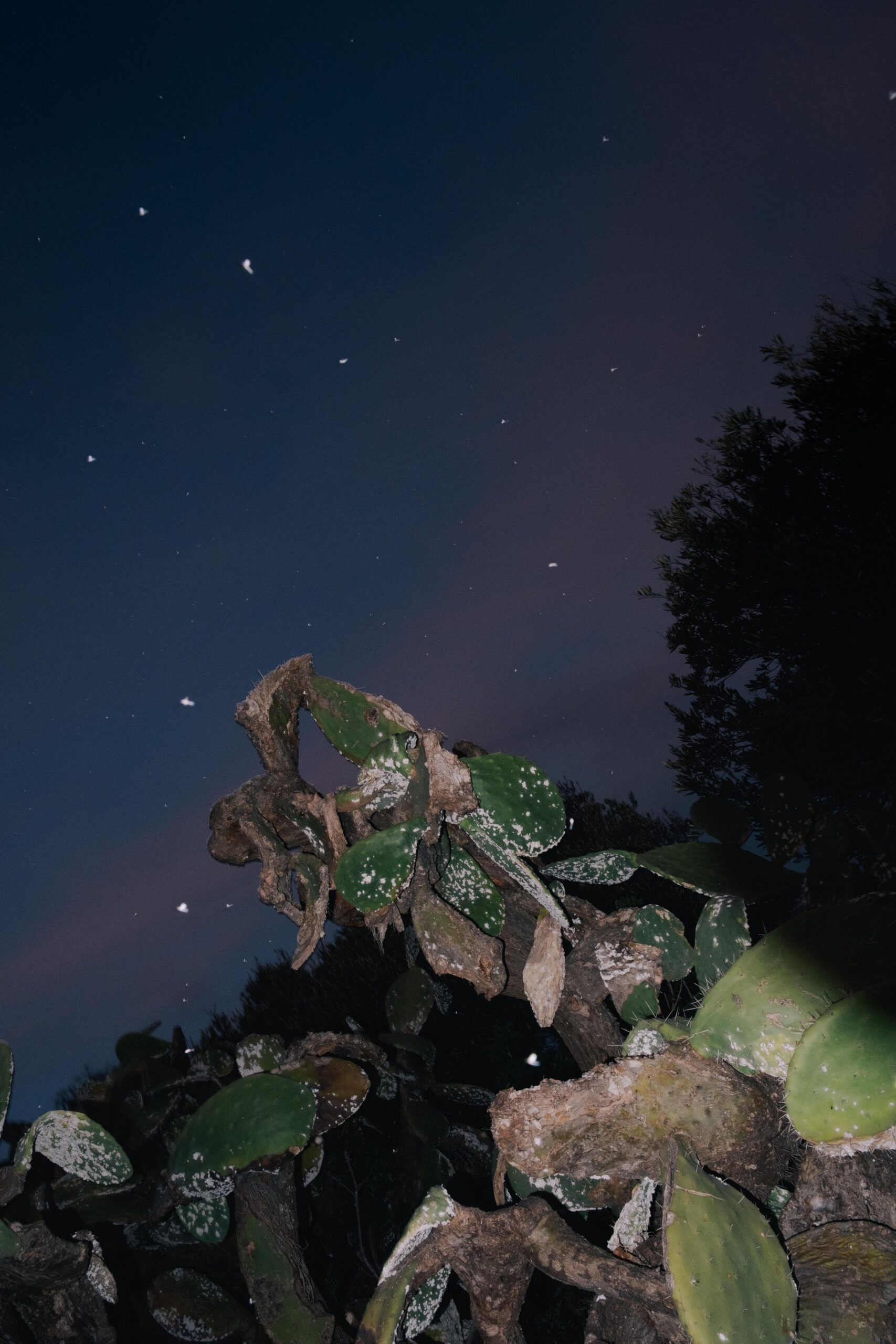
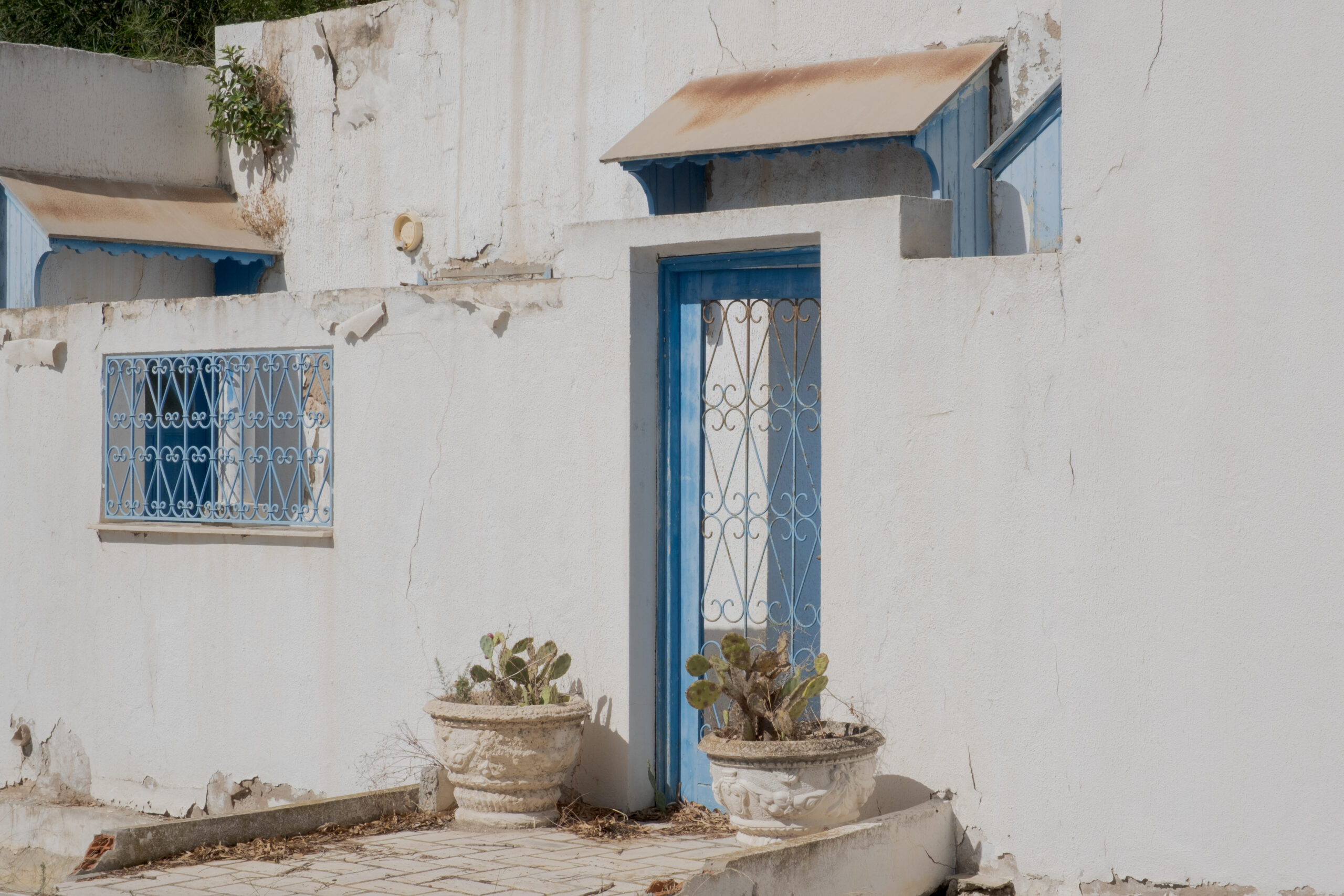
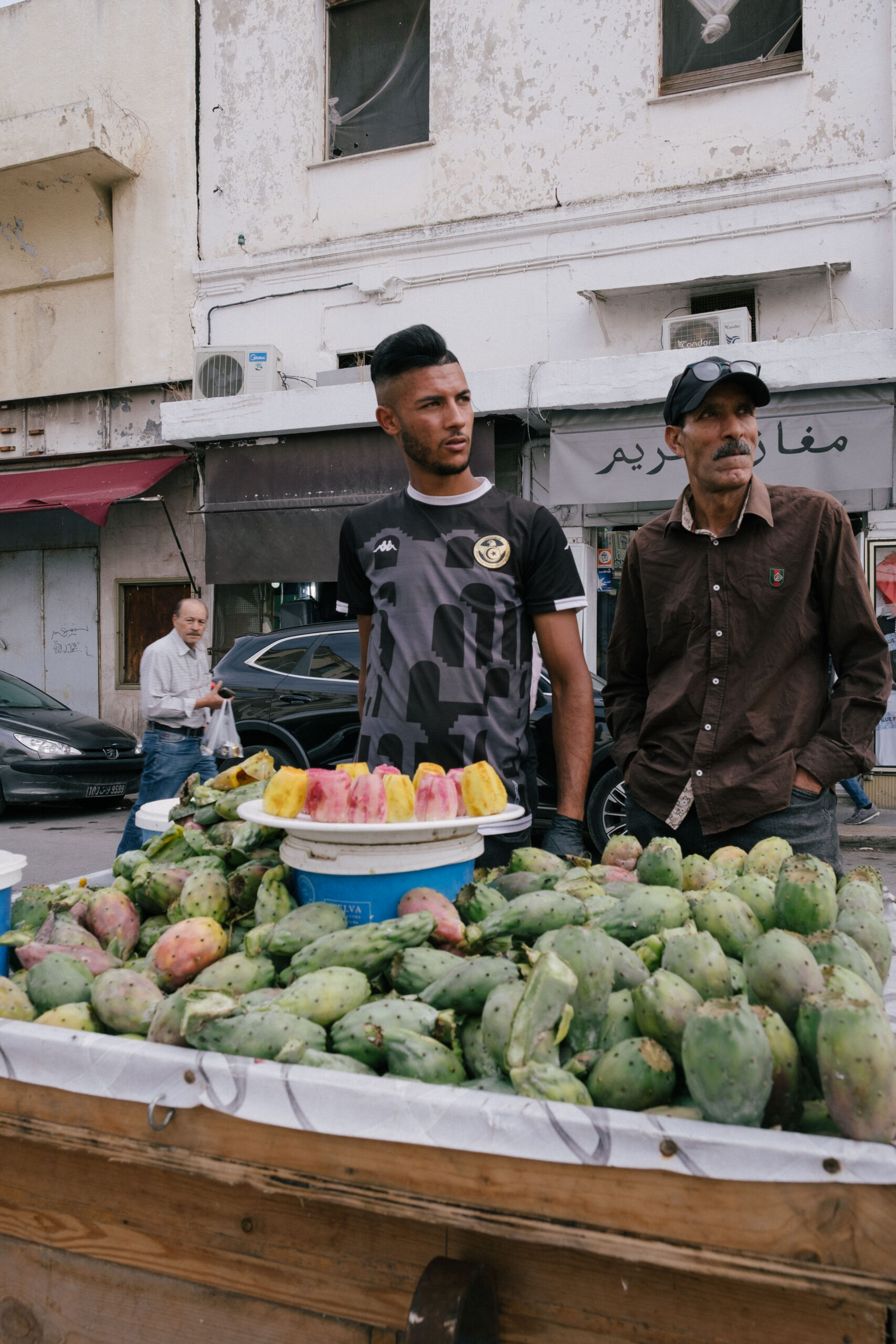
When cochineal insects are crushed against the surface of the prickly pear in Tunisia, a deep carmine stain spreads across the cactus skin. This red pigment once fueled colonial trade routes between Mexico and Europe, dyeing aristocratic garments and shaping early global economies. Today, that same plant — Opuntia ficus-indica — stands at the intersection of climate resilience, agricultural dependency, and contested identity.
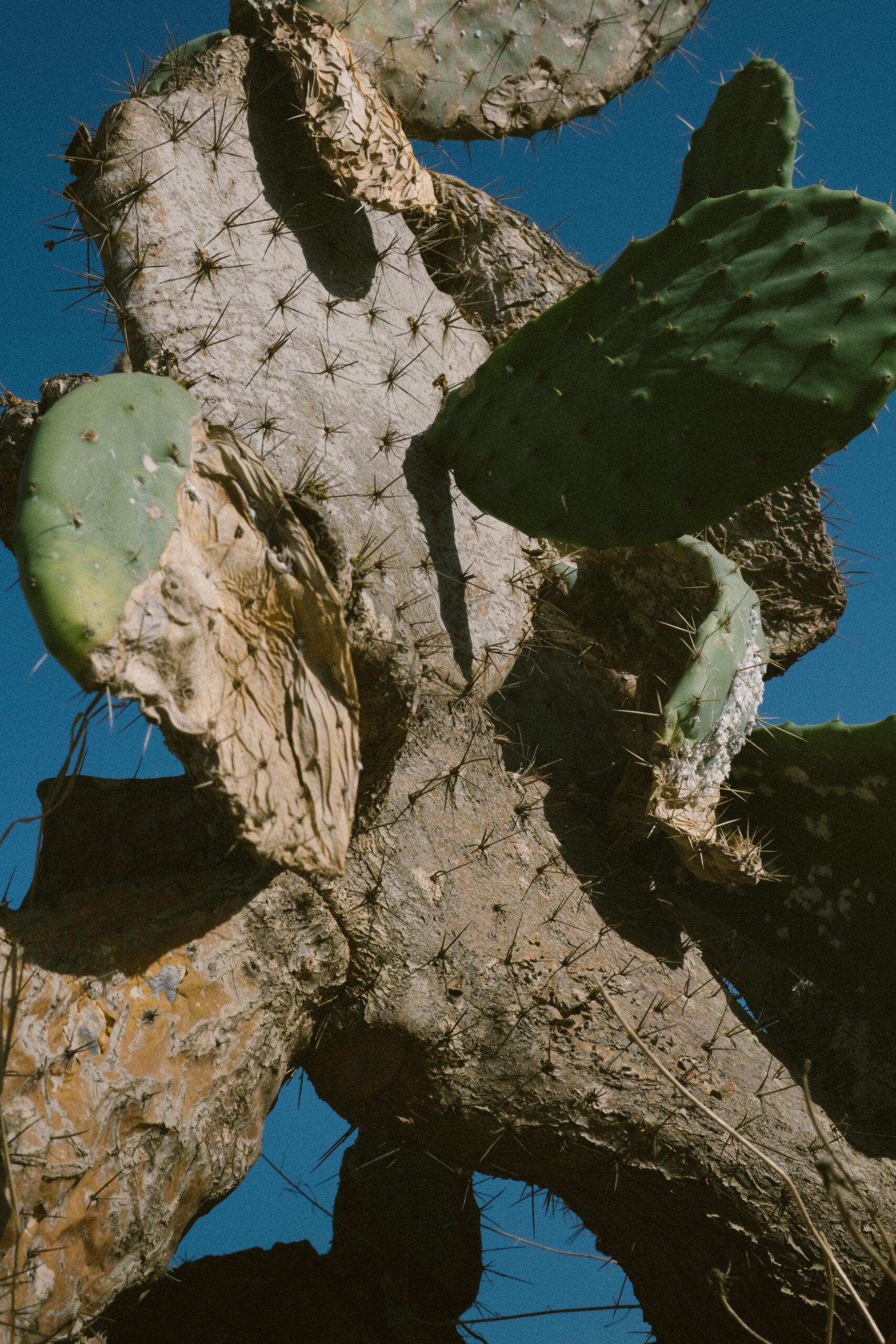
Native to the Americas and naturalized across the Mediterranean after Spanish colonization, the cactus carries a layered history of displacement and renaming. In different countries, its popular names often reflect political tensions and perceptions of “the other.” Simultaneously invasive and essential, hostile and nourishing, it is used as fencing, food, animal feed, cosmetic base, and medicine. It sustains rural economies while remaining vulnerable to the cochineal parasite — an ecological and economic threat.
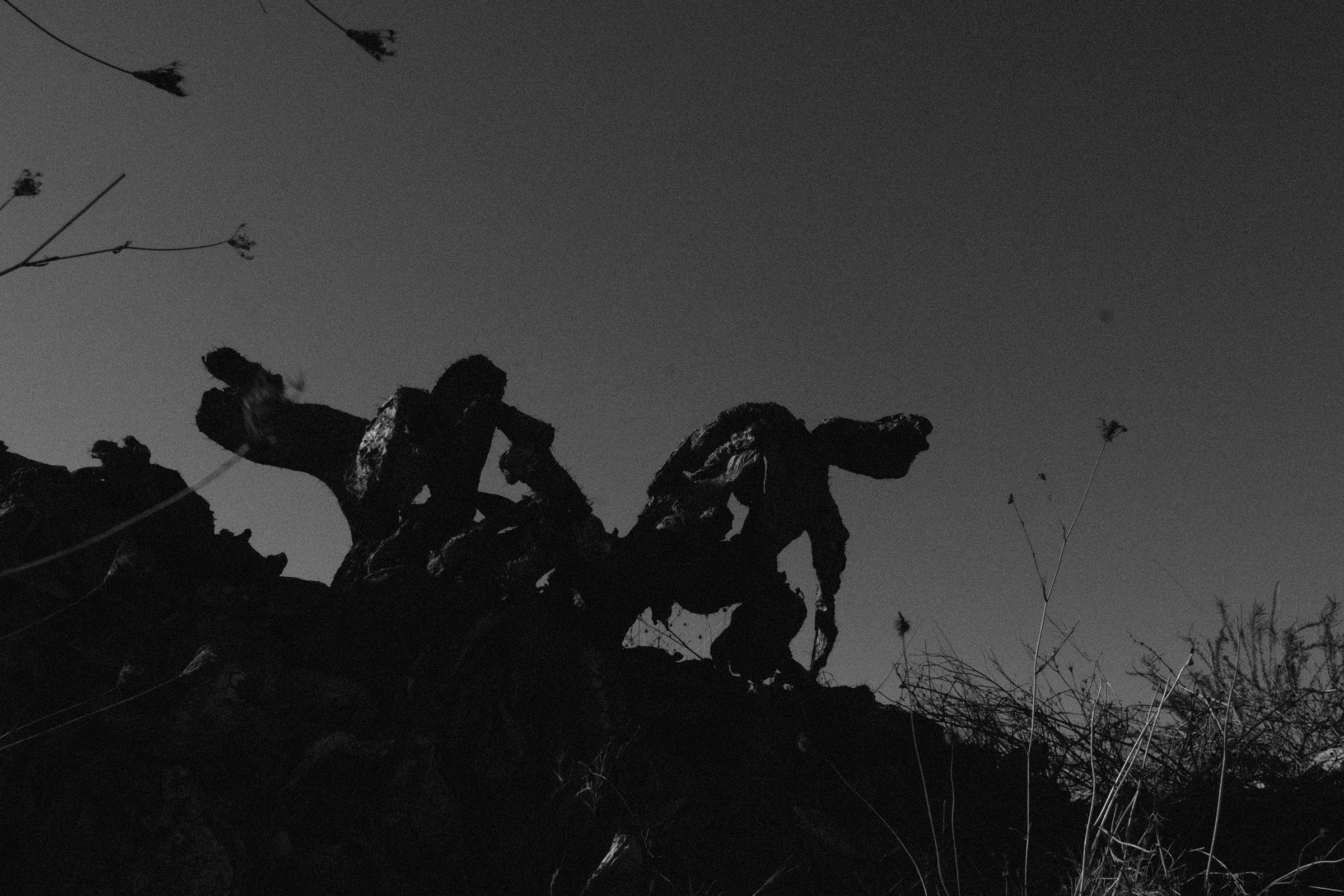
In the context of accelerating desertification and rising temperatures, the prickly pear has become a symbol of environmental adaptation. Its Taíno-derived name “tuna,” meaning “water-bearing,” marks it as one of the most resilient species in arid regions. But what happens if this emblem of resistance collapses?
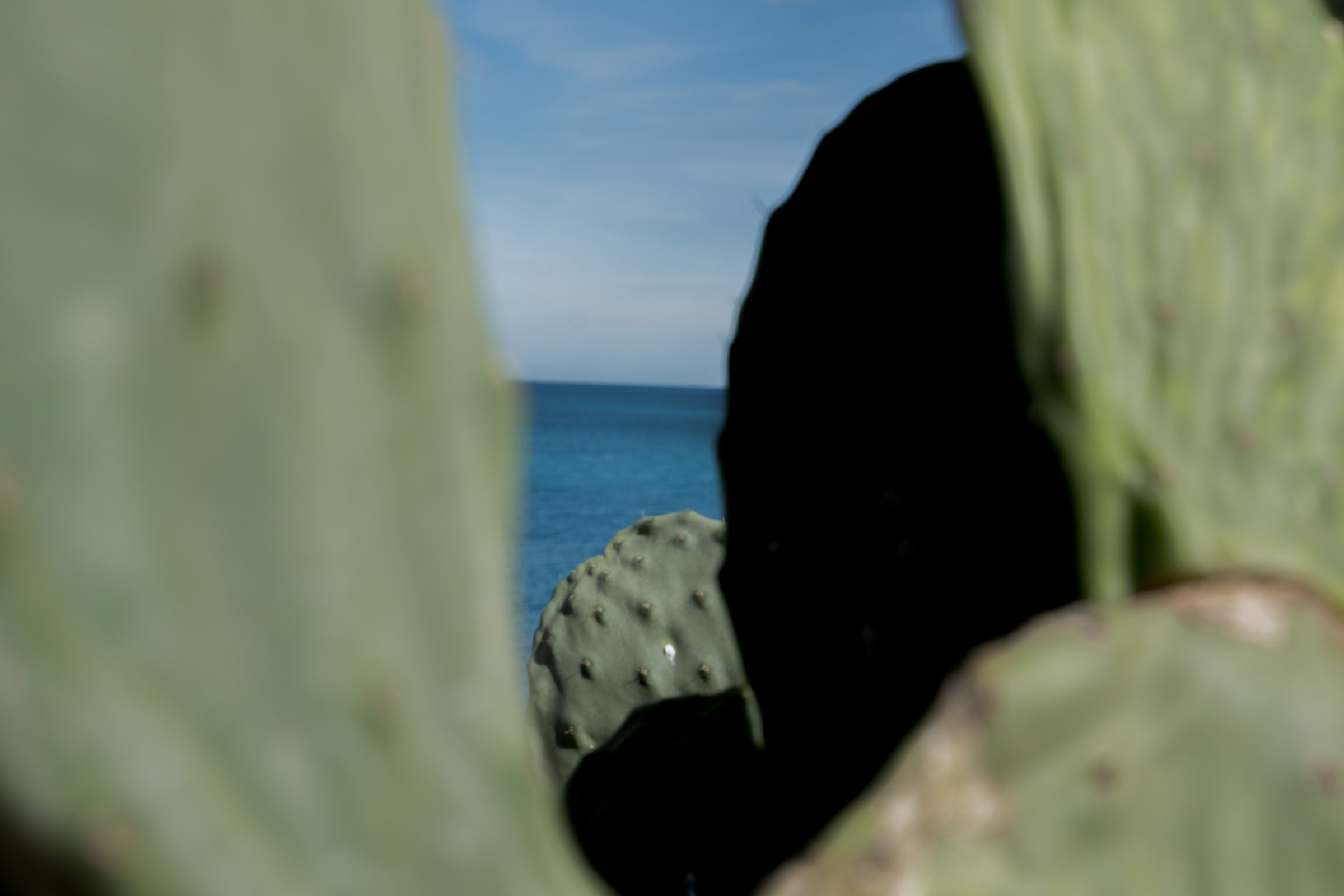
This project traces the cactus’ transatlantic trajectory in reverse — from the Mediterranean back to the Americas — investigating its role as a living archive of colonial circulation and contemporary climate futures. Through long-term photographic fieldwork in the Mediterranean, Mexico, and the United States, I document agricultural landscapes, botanical research centers, border ecologies, farmers, conservation scientists, and communities whose identities and livelihoods are intertwined with this plant.
At a moment of accelerating ecological and political division, the cactus becomes a lens through which to consider the tensions between exclusion and interdependence, fragility and resilience, border and circulation. This project uses photography as a slow archive of coexistence, documenting how survival is negotiated through natural and human systems of exchange. The work seeks to visualise resilience as a material condition, where landscapes, plants, and communities adapt to planetary crisis.
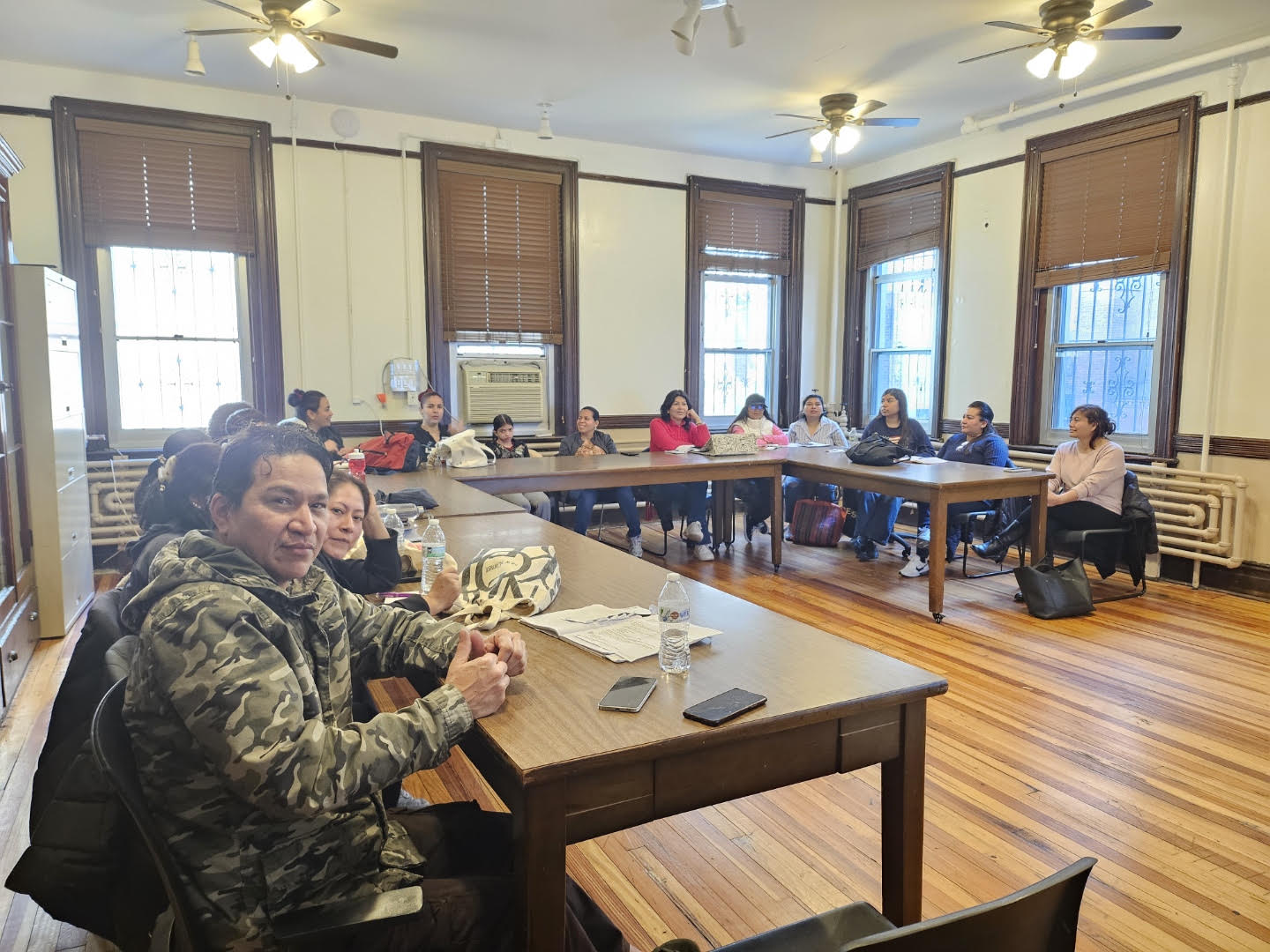
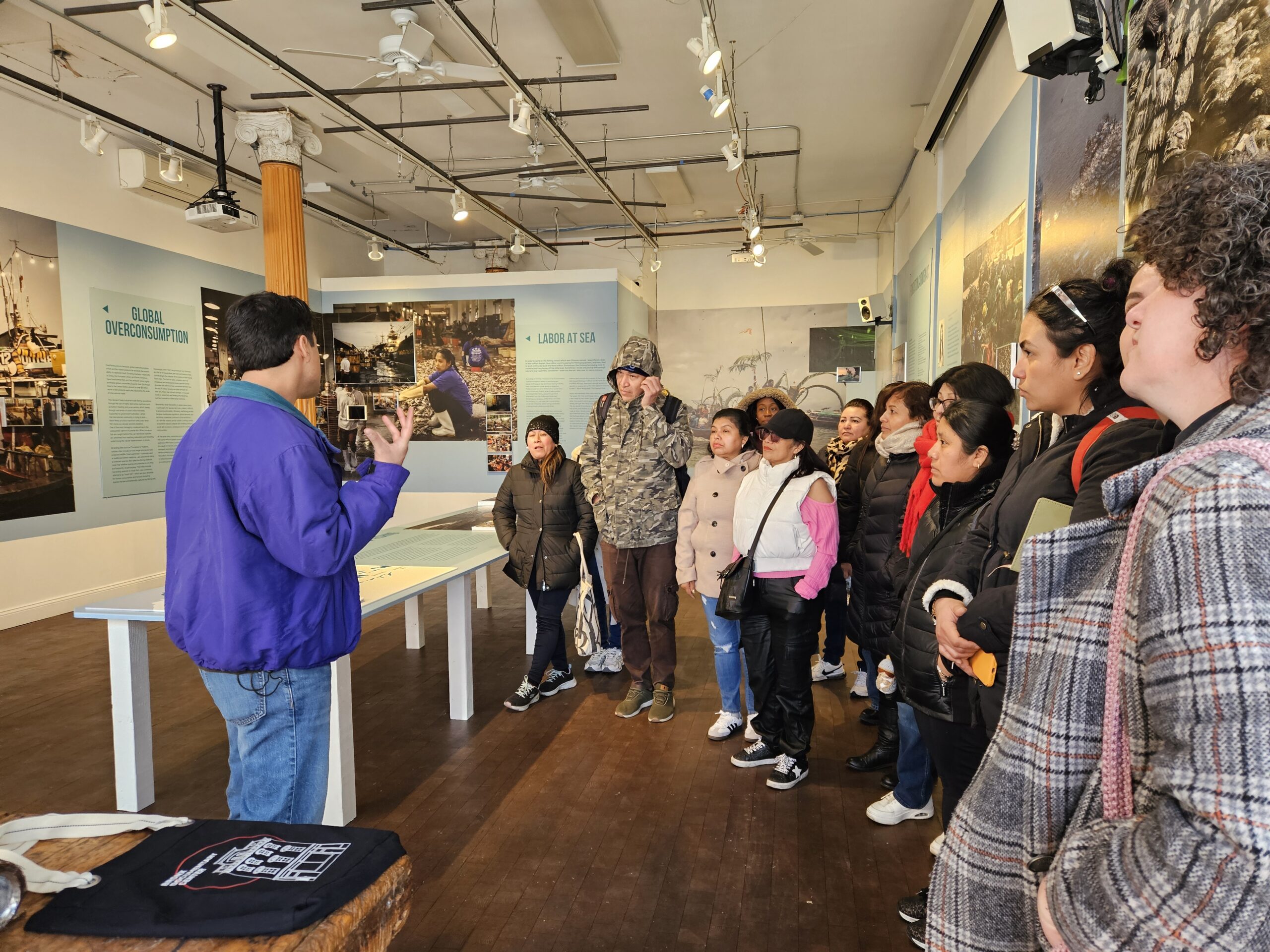
This research has generated collaborative projects with communities whose cultural heritage and daily lives are connected to the prickly pear. I developed a visual storytelling project with the Mexican Coalition and the Bronx Documentary Center, engaging Latino communities in New York through photography as a tool for self-representation, collective memory, and strengthening community ties amid intensified immigration enforcement.
The research has also been developed through exchanges with researchers and specialists at the New York Botanical Garden, particularly with Dr. Eric W. Sanderson, Vice President for Urban Conservation, conservation ecologist and author of Mannahatta.
It also led to Imaginary Island, a photographic and sound project developed with Juan Miguel Marín, tracing Pickney’s Hummock, a buried island in the South Bronx that once hosted a native prickly pear habitat. Through archival research, experimental photography, and field recordings, we investigate how successive urban developments, including Freedomland amusement park, Co-op City, and Bay Plaza Mall, have obscured the island’s ecological and historical traces. The project also gave rise to Island Boundaries, an international collaboration with artists Sean Wang, Juan Miguel Marín, and Matthew Logan, exploring how we might move beyond the boundaries that separate us and imagine new forms of human connection.